Which Power Tool Brand Should You Actually Buy?
By The Tool Bandit
Every tool forum will fight to the death over Milwaukee vs DEWALT, but that’s the wrong question. The real question is which battery system you’re buying into. Because the first battery and charger you buy quietly chooses your next ten tools. This guide gives every major brand an honest rundown: what it’s great at, where it falls short, and who should actually buy it.
The straight answer
It depends on your budget. Milwaukee or DEWALT if you want the deepest pro-grade 18V systems (250+ tools on Milwaukee M18, 300+ on DEWALT 20V MAX), and you’ll never hit a ceiling with either. Makita LXT is a legitimate third full system if build quality matters more to you than bargain hunting. Ryobi ONE+ if you want the most tool for the least money: 300+ products on one battery, and nothing touches the value.
Milwaukee vs DEWALT, specifically: Milwaukee if you want the deepest pro bench and don’t mind paying for it; DEWALT if you want maximum choice per battery dollar and the best sale prices. You can’t really get this wrong.
And that’s not the whole world. Beyond the big systems there are plenty of good brands worth buying for the right job: Bosch for compact 12V, Ridgid for the lifetime warranty, Metabo HPT on sale. The right brand is the one that fits how you actually work.
Quick picks: start here
If you just want the answer, here it is. The detail behind each pick is in the brand sections below.
| If you… | Start here | Why |
|---|---|---|
| Are starting from zero, homeowner | Ryobi ONE+ | Huge lineup, lowest cost per tool, more than enough for weekend work. |
| Are starting from zero, pro work | Milwaukee M18 FUEL or DEWALT 20V MAX XR | Deepest lineups (250–300+ tools), pro-grade durability, best resale. |
| Work on cars | Milwaukee M12 | Compact 12V tools built for tight engine bays, including the ratchets mechanics swear by. |
| Already own batteries | Whatever matches them | Batteries are the lock-in. Switching brands means rebuying the priciest part of every kit. |
| Need one specialty tool | Buy the tool, not the system | Best-in-class single tools beat platform loyalty. |
Milwaukee: the deepest bench
Strengths: M18 is the broadest pro 18V system going: 250+ tools on one battery, from drills to drain machines. M12 is the rare 12V line that’s a real platform instead of a dead end: 100+ tools, including the ratchets mechanics swear by. The FUEL tier (POWERSTATE brushless motors, REDLINK PLUS electronics) is consistently top-performing, and Milwaukee labels voltage honestly. M18 means 18 volts.
Weaknesses: you pay for it. Milwaukee is premium-priced across the board, and the deals are rarely as deep as DEWALT’s. Also note Milwaukee runs three separate battery systems (M12, M18, MX FUEL) with nothing crossing between them, so the fragmentation complaint applies here too.
Who it’s for: pros and serious DIYers who want the deepest system available and will pay for top-tier tools. If your work is compact (automotive, service calls), M12 alone is a legitimate starting platform.
Full breakdown: Milwaukee Tool Lines Explained.
DEWALT: the broadest system
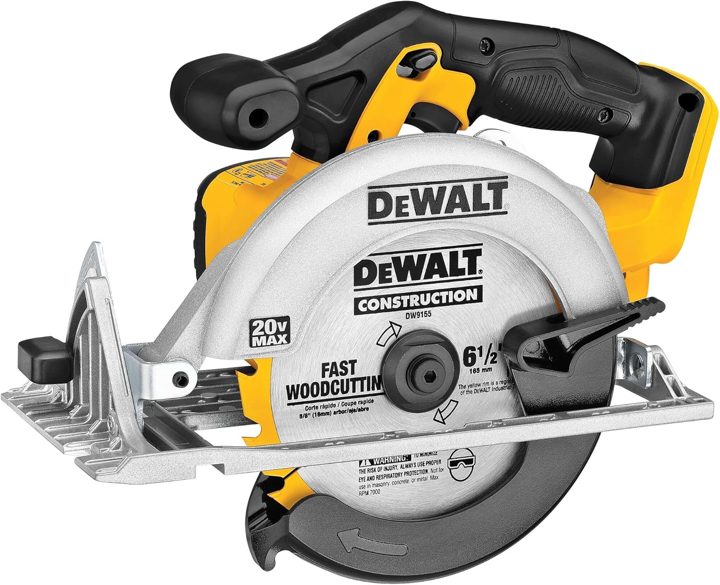
Strengths: 20V MAX is 300+ tools on one battery. The single broadest cordless system you can buy into. ATOMIC gives you compact brushless tools without leaving the platform, and FLEXVOLT batteries run both 60V and 20V tools, so going heavy-duty doesn’t mean a second battery system. Base-line kits historically see the deepest holiday discounts in the industry.
Weaknesses: 12V MAX is a ~15-tool niche. Do not make it your starting platform; it’s fine only as a second system for tiny jobs. And the “20V” on the box is 18 volts in normal use (20V is the no-load maximum). Same actual voltage as Milwaukee’s M18, different label.
Who it’s for: anyone who wants maximum tool choice per battery dollar. Buy base-line kits on sale for value, XR for the pro tier. Same batteries either way.
Full breakdown: DEWALT Tool Lines Explained.
Makita: the quality pick with a split personality
Strengths: LXT is a genuinely pro-grade 18V system with excellent build quality and ergonomics. The tools feel a cut above in the hand. Makita’s outdoor power equipment lineup is one of the strongest in the business.
Weaknesses: XGT (40Vmax) is a completely separate battery platform from 18V LXT. The batteries don’t fit each other’s tools, and only a charging adapter crosses over. So Makita’s “future” platform means buying into a second system, which is exactly the trap this guide warns about. Makita also doesn’t play the deep-discount game at big-box stores the way Milwaukee and DEWALT do, so you’ll pay closer to full price more often.
Who it’s for: pros who value build quality over bargain hunting, and anyone already invested in LXT. If you’re starting from zero, make sure you’re comfortable picking a lane (LXT or XGT), because you can’t have both on one battery.
Ryobi: the value king
Strengths: ONE+ is 300+ products on one 18V battery, and Ryobi has kept every battery backward compatible for 30 years. Your oldest pack still fits the newest tool. Nothing else in power tools touches that value: the performance gap to the pro brands keeps shrinking (the HP brushless line is legitimately good), and the prices aren’t close.
Weaknesses: it’s not pro-grade. The base line is brushed and bulkier than Milwaukee or DEWALT equivalents, and fit-and-finish is a step down. You’re also buying into one retailer’s ecosystem. It’s a Home Depot brand.
Who it’s for: homeowners and weekend DIYers. If your tools come out on Saturdays, Ryobi is the smart-money pick. Spend the savings on the project, not the drill. More on the brand: Who Makes Ryobi?
Bosch: the compact specialist
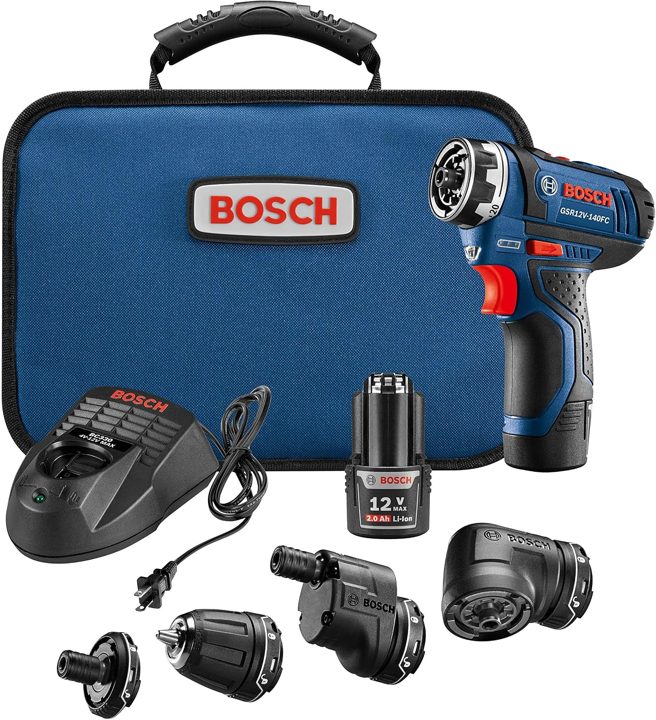
Strengths: the 12V Max line is genuinely excellent. The FlexiClick 5-in-1 drill/driver and the Starlock oscillating multi-tool are superb tools, not toys. Pro-grade build quality in genuinely small packages.
Weaknesses: as a whole system, Bosch can’t match Milwaukee or DEWALT. The 18V lineup is thinner and the US presence is quieter, which means fewer screaming deals and less shelf space. This is a brand you buy specific tools from, not a platform you build a whole shop on.
Who it’s for: anyone who wants the best compact 12V tools made; woodworkers who’ll use that multi-tool daily. Not the pick if you want one battery system with 200+ tools behind it.
Ridgid: the warranty play
Strengths: the Lifetime Service Agreement is the best warranty in power tools, full stop. Register within 90 days of purchase and Ridgid covers free parts and free service for life. The 18V tools themselves are solid mid-tier performers, often priced under the pro brands.
Weaknesses: the lineup is narrower than Milwaukee’s or DEWALT’s. It’s a system with a ceiling. It’s a Home Depot exclusive, so one retailer sets every deal. And the LSA has a real gotcha: miss the 90-day registration window and it’s gone. No exceptions, no late registration.
Who it’s for: DIYers who keep tools for decades and will actually do the 90-day registration. If you’re the register-it-day-one type, the lifetime coverage is genuinely valuable.
The rest: buy the tool, not the system
A few more names you’ll see, kept short because none of them is a first platform:
- Metabo HPT (the old Hitachi line): solid tools that go on genuinely good sales. Worth a look tool-by-tool.
- Skil: budget-friendly with some interesting 12V options. Fine for a specific need, not a system to build on.
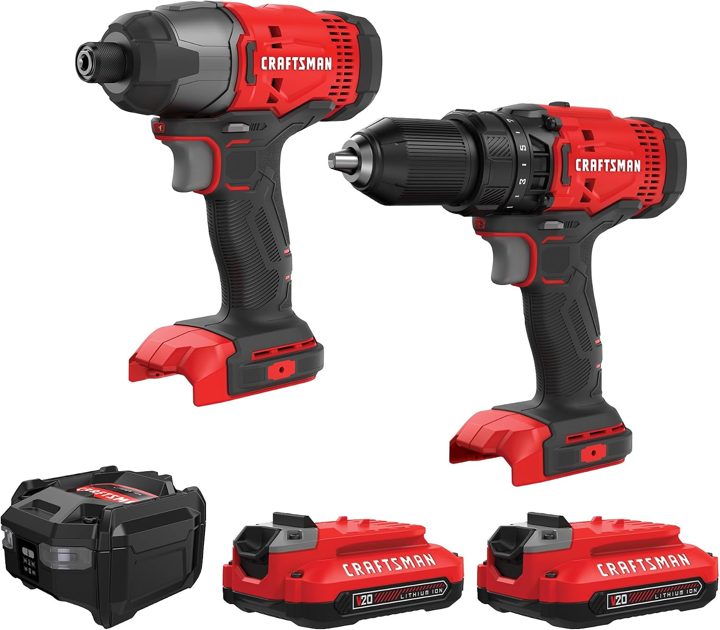
- Craftsman (V20): okay for light homeowner use, but the lineup is thin. Not a platform to grow into. That said, a V20 combo kit at a steep discount is still a reasonable starter set; just don't expect the lineup depth of Milwaukee or DEWALT.
- FLEX: a 24V pro challenger with a smaller lineup, best bought for what it excels at rather than as a first platform. See Should You Buy FLEX Tools? and FLEX deals.
Nothing wrong with any of them as a one-off purchase. Just don’t buy your first battery here.
Which brand wins for which trade
Woodworking and saws: DEWALT, for the broadest saw lineup and the deepest sale prices. Trade-specific work such as plumbing, electrical, and mechanical: Milwaukee, for trade tools built around those jobs. Ergonomics and outdoor power equipment: Makita, for tools that feel a cut above in the hand and an outdoor lineup that rivals anyone’s. Value and breadth: Ryobi, for the most tool for the least money.
The battery math: why the first kit matters most
Once you own batteries and a charger, every later tool can be bought bare, which is the cheapest way to grow. Switching brands later means rebuying the most expensive part of every kit. That is why the first kit matters more than the first tool: the drill body becomes the cheap part once you are inside a system.
How to decide in three questions
Three questions settle it:
| If you… | Start here | Why |
|---|---|---|
| Already own batteries | Whatever matches them | Batteries are the lock-in. Switching brands means rebuying the priciest part of every kit. |
| Are starting from zero, pro work | Milwaukee M18 FUEL or DEWALT 20V MAX XR | Deepest lineups (250–300+ tools), pro-grade durability, best resale. |
| Are starting from zero, homeowner | Ryobi ONE+ | Huge lineup, half the price, more than enough for weekend work. |
| Work on cars | Milwaukee M12 (ratchets, impacts) | Compact 12V tools built for tight engine bays; M12 is the strongest compact system. |
| Need one specialty tool | Buy the tool, not the system | Best-in-class single tools (Bosch jigsaws, Metabo grinders) beat platform loyalty. |
1. Pro or homeowner? If you earn a living with your tools (daily jobsite abuse), buy the pro tiers from day one: Milwaukee FUEL or DEWALT XR. If your tools come out on weekends, Ryobi or the base-line kits from the big two will do everything you ask of them for half the money.
2. What do you already own? Batteries are the lock-in. If you own three M18 batteries, your next tool should probably be red. Switching brands means rebuying the most expensive part of every kit. This is also why the first pick matters so much: it quietly chooses your next ten tools.
3. How big will this get? If the answer is “a whole shop over the years,” pick the system with 250–300+ tools behind it (Milwaukee M18, DEWALT 20V MAX, Ryobi ONE+). If the answer is “five tools, ever,” then buy whatever’s cheapest per tool and stop worrying about platforms.
12V vs 18V/20V as a first platform: start with 18V/20V unless your work is genuinely light and you value light weight over versatility. Add 12V later as a second system for compact work, not as your first platform.
The trap to avoid: buying the tool with the best launch-day deal instead of the system with the most room to grow. And once you’re in a system, expand with bare tools (tool only, no battery). It’s by far the cheapest way to grow a collection. Check the deals page before you buy anything.
Curious who owns whom? That’s a different question. See Tool Brands Explained.
FAQ
Which power tool brand is the best?
For most people, Milwaukee or DEWALT. They have the deepest 18V lineups in the business (250+ tools on Milwaukee M18, 300+ on DEWALT 20V MAX), so whichever you pick, you’ll never run out of room to grow. Makita and Ryobi are legitimate alternatives if build quality or budget matters more to you.
Is Ryobi good enough for home use?
Yes. Ryobi’s ONE+ system has 300+ products on one battery with 30 years of backward compatibility, and it’s by far the best value in power tools. It’s not pro-grade, but for weekend DIY it’s the smart-money pick.
Should I start with DEWALT 12V MAX?
No. DEWALT’s 12V MAX lineup is around 15 tools. A niche system with a low ceiling. Start with 20V MAX (300+ tools on one battery) and add 12V later only as a second system for tiny jobs.
Are Makita LXT and XGT batteries interchangeable?
No. Makita’s 40Vmax XGT is a completely separate battery platform from 18V LXT. The batteries don’t fit each other’s tools. Only a charging adapter crosses over. Buying into XGT means buying into a second system.
What is RIDGID’s Lifetime Service Agreement?
Register your RIDGID tool within 90 days of purchase and RIDGID covers free parts and free service for life. Miss the 90-day registration window and you lose it entirely. That’s the catch.
Does 20V vs 18V on the box actually matter?
No. DEWALT’s “20V MAX” is 18 volts in normal use. 20V is just the maximum no-load voltage. Milwaukee’s M18 is the same actual voltage with an honest label. Don’t pick a brand by the number on the box.
Which power tool brand has the best warranty?
RIDGID has the longest coverage on paper: register an eligible tool within 90 days of purchase and the Lifetime Service Agreement covers free parts and free service for the life of the original owner. Miss the 90-day window and you lose it entirely. Milwaukee covers power tools for five years, and DEWALT and Makita cover theirs for three years. A warranty only counts if you actually register, so if you are not the register-it-day-one type, treat RIDGID’s lifetime coverage as a three year warranty. RIDGID’s ownership split adds to the confusion; the brands guide explains the licensing quirks.
Should I buy one brand or mix brands?
Buy one battery platform for your cordless tools, and mix freely for everything else. Cordless tools are the lock-in: every tool on the same platform shares batteries and chargers. Hand tools, corded tools, and one-off specialty tools carry no such penalty, so buy the best tool for that job regardless of brand. The trap is collecting four incompatible battery families, not owning two brands of wrench.
Which brand is best for automotive work?
Milwaukee M12. The compact 12V tools fit tight engine bays, and the M12 ratchets are the standout category. Start with M18 if you also want full-size saws and grinders, and add M12 later as a second system. The full breakdown is in the Milwaukee tool lines guide.
What tools should I buy first?
A drill/driver plus impact driver combo kit first, since that pair handles drilling and driving for nearly every household job. An oscillating multi-tool second: it cuts, scrapes, and sands in places no other tool reaches. A circular saw third, for breaking down plywood and cutting lumber. Buy the first kit on your chosen battery platform, then expand with bare tools on the same batteries.
Deals live right now
Discounts verified November 11, 2026. The retailer price is the final authority.
Also in this series: DEWALT Tool Lines Explained, Milwaukee Tool Lines Explained, Tool Brands Explained, and Who Makes Ryobi?.
Sources
- Milwaukee Tool's official site: M12/M18 system lineups and tool counts.
- DEWALT's official site: 20V MAX and FLEXVOLT system lineups.
- Ryobi Tools' official site: ONE+ system lineup.
- TTI's brand portfolio: Milwaukee and Ryobi ownership.
- Stanley Black & Decker's brand portfolio: DEWALT and Craftsman ownership.