Tool Brands Explained
By The Tool Bandit
Milwaukee and Ryobi are owned by the same parent company. So are DEWALT and Craftsman. The tool aisle looks like a dozen rivals fighting for your money. It's really a handful of giants wearing different colors. This guide maps who owns who, and more importantly, who each brand is actually built for.
The 30-second version
Most tool brands you see on the shelf are owned by a handful of giants. Stanley Black & Decker owns DEWALT and Craftsman. TTI owns Milwaukee, Ryobi, and Hart. Then there's Bosch, Chervon (Flex, Skil, EGO), Koki (Metabo HPT), and Apex (GearWrench, Crescent). A few big names (Makita, Snap-on, Klein) are still independent. The badge matters less than the buyer it's built for: pick the brand that serves your kind of work.
The ownership web
Six corporate parents own nearly every tool brand that matters. Plus Makita, standing alone as the biggest independent. Click any brand to reveal its owner, or any parent company to spotlight its whole family:
Who owns who? Click any brand below to reveal its owner.
Makita is the only brand. No parent company, no sub-brands.
The conglomerates
Stanley Black & Decker
The biggest player in the industry. An American giant. Bought the Craftsman name from a collapsing Sears in 2017 for about $900 million.
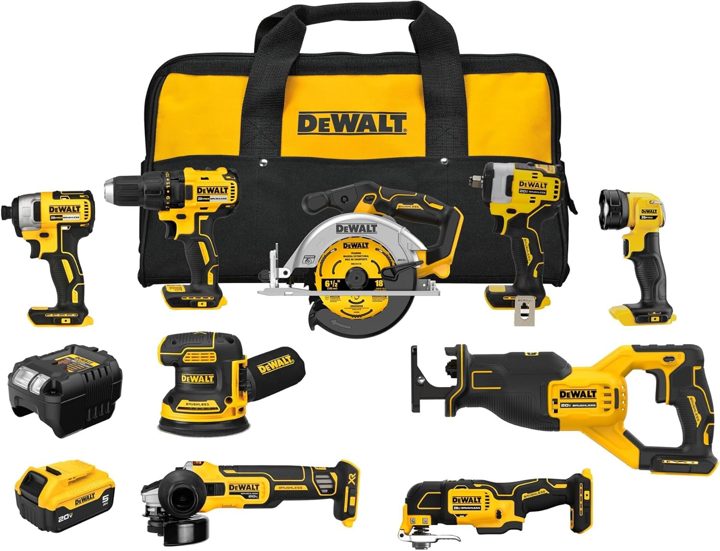
- DEWALT: Pros and serious DIYers. Best for contractors building a big cordless platform; the 20V MAX ecosystem is one of the largest in existence.
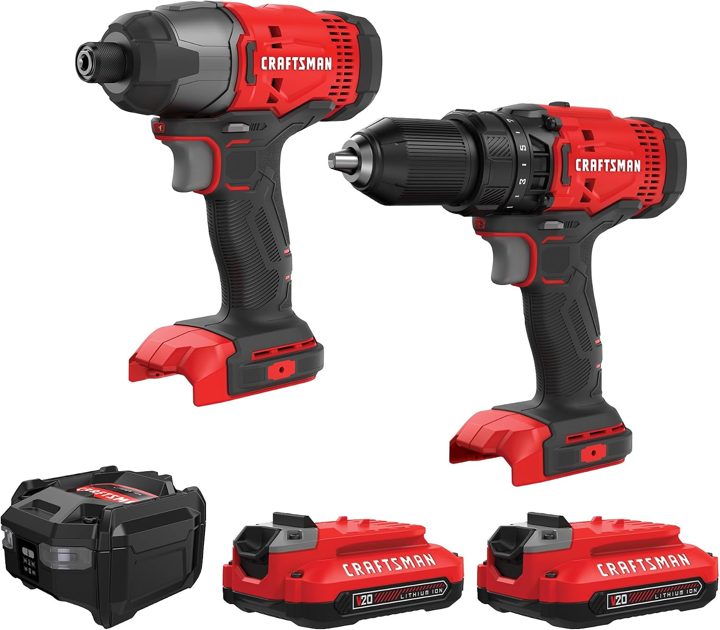
- Craftsman: DIYers and homeowners. Best for value-focused buyers who want solid mid-tier tools without pro prices.
- Stanley: General DIY. Best for hand tools and basic power tools on a budget.
- Black+Decker: Casual homeowners. Best for light-duty tasks; the cheapest entry point into the family.
- Lenox / Irwin: Accessories. Best for blades, bits, and clamps across brands.
TTI (Techtronic Industries)
Hong Kong-based, founded in 1985 as a contract manufacturer. Arguably the most influential tool company in America. Most buyers have never heard the name. Bought Milwaukee from Atlas Copco in 2005.
- Milwaukee: Professional tradespeople. Best for electricians, plumbers, and mechanics; the M12 and M18 lineups are the deepest pro cordless systems going.
- Ryobi: DIYers and homeowners. Best for the enormous 18V One+ ecosystem on a budget. Same parent as Milwaukee, totally different buyer.
- Hart: Budget DIYers. Best for Walmart shoppers who want the cheapest usable entry tools (TTI-made).
- Ridgid (power tools only, licensed): Pros and serious DIYers. Best for Home Depot shoppers who want pro-grade tools with a strong warranty. See the licensing quirks below.
Robert Bosch
German engineering conglomerate. Power tools are one division of a company that also makes auto parts and industrial tech.
- Bosch: Pros, especially concrete, masonry, and metal work. Best for rotary hammers and engineering-led tools.
- Dremel: Hobbyists and crafters. Best for rotary-tool detail work.
- RotoZip: Drywall and pro installers. Best for spiral saws and cutout tools.
Chervon
Chinese power tool company on the rise. Bought the German Flex brand in 2013 and Skil from Bosch in 2016. In 2026 they hired Joe Galli (the executive who built Milwaukee and Ryobi at TTI and launched DEWALT at Black & Decker) as CEO.
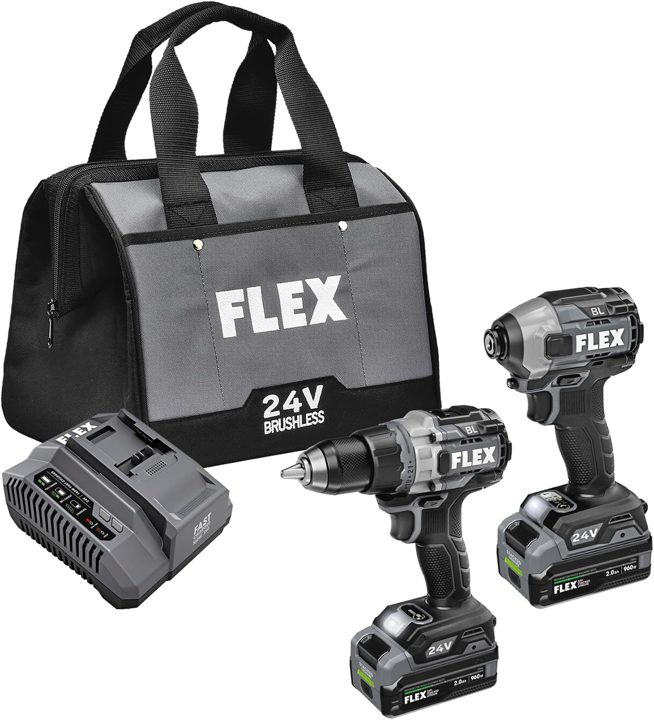
- Flex: Professional contractors. Best for the 24V platform; the industry's newest serious pro challenger.
- Skil: DIYers and budget buyers. Best for affordable homeowner tools with decent quality.
- EGO: Homeowners and pros for outdoor work. Best for battery-powered outdoor equipment. Arguably the category leader in cordless OPE.
Koki Holdings
Japanese manufacturer, formerly Hitachi Koki. Private equity firm KKR bought it from Hitachi in 2017; the Hitachi tool brand became HiKOKI globally and Metabo HPT in North America.
- Metabo HPT: Pros. Best for nailers, framing, and woodworking tools with Japanese engineering.
- HiKOKI: Pros outside North America. Best for the same tools as Metabo HPT under the global name.
- Metabo: Metalworking pros. The German brand is being unified under the Metabo HPT name in North America through 2026.
Apex Tool Group
American hand-tool giant based in Maryland, with 30+ brands. Owns the names behind half the wrenches in professional shops.
- GearWrench: Mechanics and pros. Best for ratcheting wrenches. The classic "near-Snap-on quality without the truck price" pick.
- Crescent: General pro and DIY. Best for adjustable wrenches and hand tool sets.
- SATA: Mechanics, huge in Asia and growing globally. Best for complete mechanic's sets at sharp prices.
- Weller: Electronics and soldering. Best for soldering stations.
Emerson
American industrial conglomerate. Owns the Ridgid brand outright, but licenses the power-tool side to TTI.
- Ridgid (plumbing/pro tools, the red ones): Plumbers and pros. Best for pipe wrenches, threading, and pressing tools.
- Greenlee: Electricians. Best for knockout punches, wire pulling, and bending.
The independents
Not everyone sold out. These major brands answer to no conglomerate:
- Makita: Pros, especially carpenters and woodworkers. Best for buyers who want pro-grade tools from an independent company; the 18V LXT and 40V XGT platforms are excellent.
- Snap-on: Professional mechanics. Best for those who'll pay a premium for the franchise-truck service model, lifetime warranty, and the status the box carries in shops.
- Klein Tools: Electricians, full stop. Family-owned American company. Best for hand tools for electrical work. The trade's default.
- Festool: High-end woodworkers. Best for dust extraction and precision; premium prices, cult following.
- Fein: Metalworking pros. German independent. Best for specialty metal tools like nibblers and magnetic drills.
Licensing quirks worth knowing
Ownership isn't always what the badge suggests:
- Ridgid's split personality. Emerson owns the brand. The orange power tools at Home Depot are made by TTI under license (since 2003); the red plumbing tools are Emerson's own. Color tells you who built it.
- Ryobi is licensed, not owned outright. TTI licenses the Ryobi name for power tools from Japan's Ryobi Limited, and has built it into a DIY empire anyway.
- Metabo is becoming Metabo HPT. Koki is unifying its North American branding, so the green German Metabo tools are transitioning to the Metabo HPT name. Same tools, one badge.
- Kobalt is Lowe's house brand: owned by the retailer itself, not by any tool conglomerate. Hart plays the same role at Walmart, but Hart is TTI-made.
Which brand should you buy?
Forget the corporate map for a second. Match the brand to the work:
- Pro contractor building a platform: Milwaukee M18, DEWALT 20V MAX, or Makita 18V LXT. Pick one battery system and commit.
- DIYer on a budget: Ryobi One+. Nothing touches the breadth of the lineup for the money.
- Mechanic: GearWrench hand tools plus Milwaukee M12 for cordless.
- Electrician: Klein hand tools plus Milwaukee.
- Yard and outdoor: EGO.
- Fine woodworking: Festool if the budget allows, Bosch or Makita if it doesn't.
The conglomerate behind the badge doesn't determine quality. The tier does. Milwaukee and Ryobi share a parent and share almost nothing else. Buy the tier built for your work, not the logo you recognize. For the full rundown with strengths and weaknesses, see Which Power Tool Brand Should You Actually Buy?. Then check the deals page before you buy anything.
Are Milwaukee and Ryobi the same company?
No. Both are owned by Techtronic Industries (TTI), but they are separate brands aimed at different buyers: Milwaukee targets professional tradespeople, Ryobi targets DIYers and homeowners. They share a parent company, not factories, designs, or batteries. Milwaukee runs on M12 and M18, Ryobi runs on 18V ONE+, and nothing crosses over. Full story: Who Makes Ryobi?
Do different brands use the same battery?
No. Milwaukee M12 and M18 batteries fit only Milwaukee tools. DEWALT 20V MAX batteries fit only DEWALT 20V tools. Ryobi ONE+ batteries fit only Ryobi ONE+ tools. Sharing a parent company does not mean sharing a battery: Milwaukee and Ryobi batteries do not cross over, and neither do DEWALT and Craftsman. Always check the tool's own battery system before assuming a pack fits.
Where to buy each brand
Ryobi power tools are sold exclusively at Home Depot in the US. Milwaukee, DEWALT, Makita, Bosch, and FLEX are sold across major retailers and online, so prices vary by store: check the brand deal pages on this site before you buy, including FLEX deals. One caution wherever you shop: counterfeit tools are a real problem on marketplace sites, so see Fake Milwaukee Tools on Temu before buying a deal that looks too good.
FAQ
Who makes Ryobi tools?
Ryobi power tools are made by Techtronic Industries (TTI), a Hong Kong-based company that also owns Milwaukee Tool and Hart. Full story: Who Makes Ryobi?
Who owns Milwaukee tools?
Milwaukee Tool is owned by Techtronic Industries (TTI), a Hong Kong-based company that also owns Ryobi power tools and Hart, and licenses the Ridgid name for power tools from Emerson.
Who owns DEWALT?
DEWALT is owned by Stanley Black & Decker, which also owns Craftsman, Stanley, Black+Decker, Lenox, and Irwin.
Are Milwaukee and Ryobi the same company?
Both are owned by Techtronic Industries (TTI), but they are separate brands aimed at different buyers: Milwaukee targets professional tradespeople, Ryobi targets DIYers and homeowners.
Who owns Flex tools?
Flex is owned by Chervon, a Chinese power tool company that also owns Skil and EGO. Flex operates semi-independently and is aimed at professional contractors. Full story: FLEX Tools Explained, and FLEX deals.
Is Makita owned by a bigger company?
No. Makita is an independent, publicly traded Japanese company. One of the few major power tool brands not owned by a conglomerate.
Are DEWALT and Milwaukee the same company?
No. DEWALT is owned by Stanley Black & Decker, and Milwaukee is owned by TTI. They are rival pro brands from different parent companies, and their batteries do not cross over.
Who makes Ryobi and Milwaukee tools?
The same company, TTI, makes both. Milwaukee is TTI's pro brand and Ryobi is its homeowner brand, made under license from Ryobi Limited of Japan. Neither brand owns the other.
Do Milwaukee and Ryobi batteries work together?
No. Milwaukee M12 and M18 batteries fit only Milwaukee tools, and Ryobi ONE+ batteries fit only Ryobi ONE+ tools. Sharing a parent company does not mean sharing a battery.
Are DEWALT and Craftsman batteries interchangeable?
No. DEWALT 20V MAX and Craftsman V20 are separate battery systems, even though both brands are owned by Stanley Black & Decker. A DEWALT battery does not fit a Craftsman tool, and vice versa.
Which tool brand has the best warranty?
RIDGID's Lifetime Service Agreement is the longest coverage among the mainstream brands, but only if you register within 90 days of purchase. Among the pro brands, Milwaukee's five-year power tool warranty is longer than DEWALT's and Makita's three years. See the warranty comparison in Which Power Tool Brand Should You Actually Buy? for the full picture.
Deals live right now
Discounts verified November 11, 2026. The retailer price is the final authority.
Also in this series: DEWALT Tool Lines Explained, Milwaukee Tool Lines Explained, Which Power Tool Brand Should You Actually Buy?, Who Makes Ryobi?.
Sources
- TTI's brand portfolio: confirms Milwaukee, Ryobi, Hart, and others under Techtronic Industries.
- Stanley Black & Decker's brand portfolio: confirms DEWALT, Craftsman, Stanley, Black+Decker, and others.
- Bosch corporate: Bosch Power Tools as a division of the Bosch Group.
- Chervon: parent company of EGO, Skil, and Flex.
- Metabo HPT company history: confirms Koki Holdings owns Metabo and Metabo HPT, and the 2022 North American merger.
- Pro Tool Reviews: Metabo transitions to Metabo HPT in North America: the Metabo brand's North American rebrand under Metabo HPT.